

For publishers, choosing the right ad experiences is no longer only about generating more impressions. A format can represent a large share of impressions but contribute less revenue than expected. Another can appear less often but generate a much higher share of total revenue.
That is why publishers need to evaluate each format across four dimensions: ad viewability, revenue potential, UX risk and brand risk. The best strategy is not to activate every format everywhere, but to understand which experiences should be scaled, optimized or used more selectively.
The performance figures in this article are based on Opti Digital’s internal ad format analysis across publisher environments. They show how different formats and experiences can perform in terms of impressions, revenue contribution, ad viewability, UX risk and brand risk. It is important to note that results may vary depending on each publisher’s setup, audience, device mix and implementation strategy.
What Makes a Strong Ad Experience?
A strong ad experience creates value for publishers, advertisers and users at the same time. It should be visible enough to support advertiser outcomes, efficient enough to improve monetization, controlled enough to protect UX and suitable enough to preserve brand perception.
For publishers, this means looking beyond basic impression volume. The real question is whether a format contributes to ad revenue optimization without adding unnecessary clutter to the page.
The most effective high-impact ad formats usually share three qualities: they capture attention, respect the user journey and generate stronger revenue contribution than their impression share would suggest.
1. Sticky Overlay: Strong Revenue Efficiency With High Visibility
Sticky Overlay is one of the clearest examples of a format that can outperform its impression weight.
Because it remains visible while users browse, it offers very strong ad viewability and time-in-view. In our internal data, mobile Sticky Overlay represented 15.62% of impressions but generated 42.96% of revenue, with a revenue efficiency index of 2.75.
This makes it one of the strongest formats from a revenue-efficiency perspective. The main condition is control. Sticky Overlay should be implemented with clear positioning rules, frequency settings and UX safeguards.
When used properly, it can help publishers increase revenue without relying only on additional ad density.

2. Rewarded Ads: High Attention Through User Choice
Rewarded Ads are highly valuable because the user chooses to engage. This creates a clearer value exchange and a stronger attention environment for advertisers.
In our internal data, desktop Rewarded Ads generated 3.00% of revenue from only 0.75% of impressions, with a revenue efficiency index of 3.98. On mobile, they generated 1.60% of revenue from 0.96% of impressions, with an index of 1.67.
Because the format is opt-in, UX risk is lower than with more interruptive formats. The key is to make the reward clear and avoid forcing the experience into moments where it does not feel natural.
Rewarded Ads are especially useful for publishers looking to create premium demand opportunities around intentional, high-attention engagement.
3. Interstitials: High Revenue Potential, Higher UX Risk
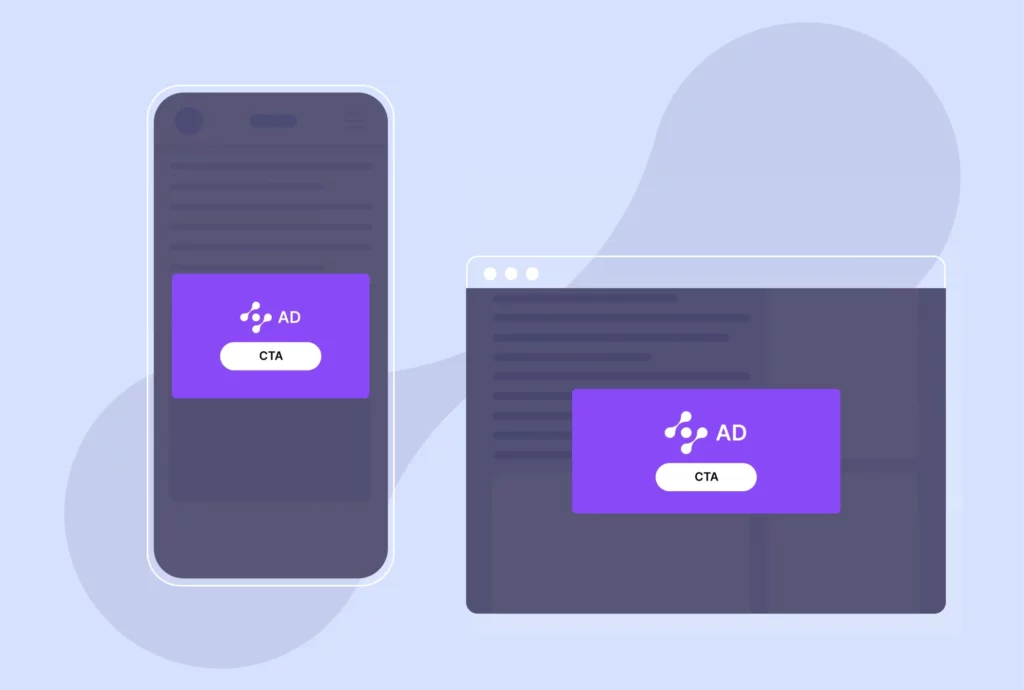
As a full-screen experience, an Interstitial delivers dominant visibility and strong attention.
In our internal data, desktop Interstitials represented only 2.15% of impressions but generated 15.83% of revenue, with a revenue efficiency index of 7.36. On mobile, they generated 6.09% of revenue from 3.36% of impressions, with an index of 1.81.
However, this format interrupts the user journey. Publishers should use it selectively, with frequency capping, timing rules and natural transition points.
When poorly implemented, it can damage user perception. When controlled properly, it can become a powerful lever for publisher monetization.
4. Carousel Ads and Flying Carpet: More Engaging Experiences Within the Page
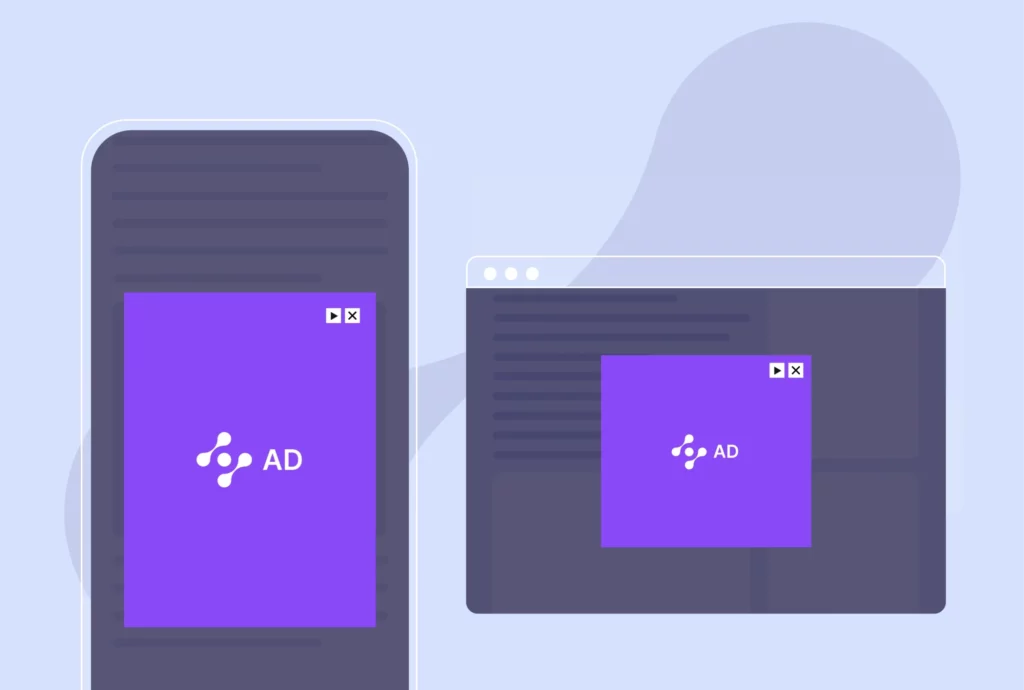
Carousel Ads and Flying Carpet formats are valuable because they create richer, more visual ad experiences without necessarily adding more standard placements.
Carousel Ads feel familiar to users because they follow social media-style interaction patterns. They can support storytelling, engagement and smoother creative experiences, especially when used in visible placements.
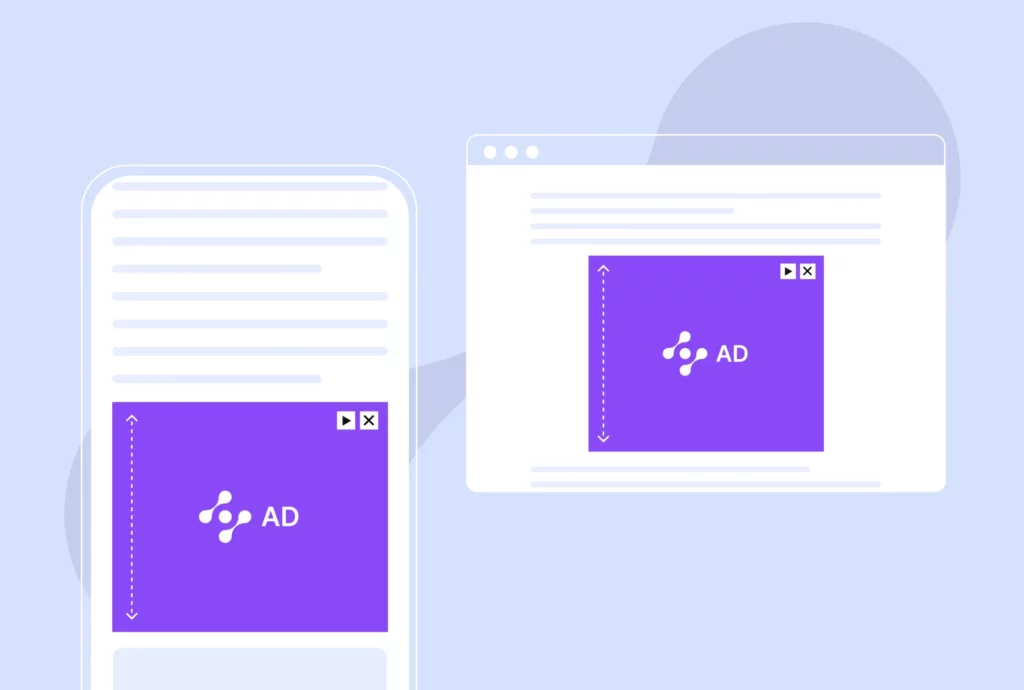
Flying Carpet formats create stronger visual impact inside the content flow. They can improve the quality of in-content monetization by making the placement more immersive and attention-led.
Both formats work best when they are lightweight, well integrated and adapted to the page context. They are useful options for publishers that want to improve engagement and programmatic yield without simply increasing ad density.
5. Top Banners, Sidebars and In-Content: Reliable Formats That Still Need Optimization
Standard formats still play an important role in a publisher’s monetization strategy.
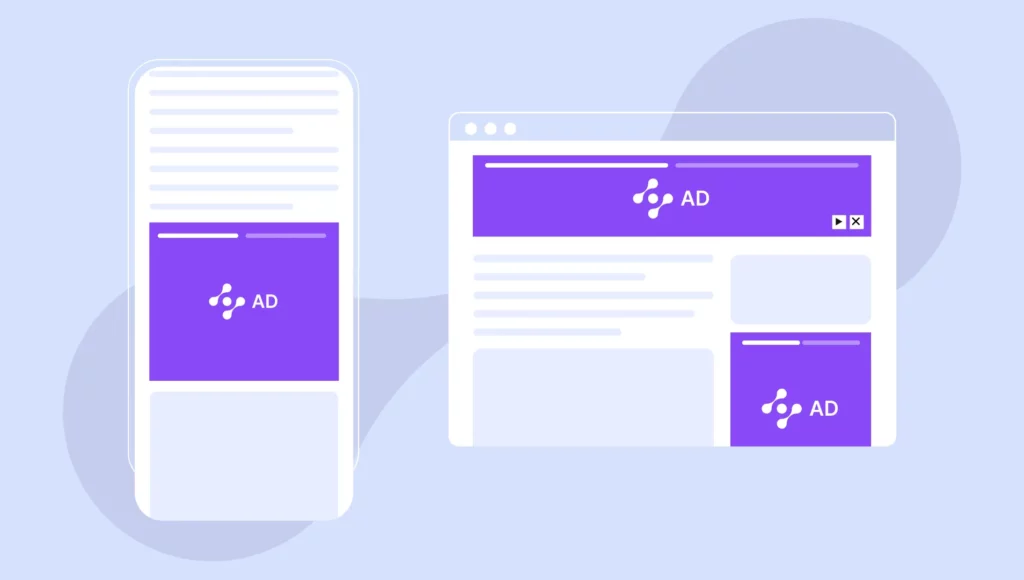
Top Banners provide immediate visibility on page load and remain familiar to users and advertisers. In ourinternal data, the leading desktop top banner placement generated 11.67% of revenue and represented 11.96% of impressions, showing a contribution broadly aligned with its impression share.
Sidebars are particularly useful on desktop because they use available screen space without interrupting the reading experience. The leading desktop sidebar placement generated 15.97% of desktop revenue, making it one of the strongest contributors on larger screens.
In-Content ads remain a core monetization layer, especially on article pages. However, they should be carefully spaced and measured. Our data shows that leading mobile in-content positions generated revenue efficiency indexes below 1, confirming that scale alone is not enough.
These formats should not be ignored, but they need continuous ad stack optimization to ensure they support revenue without damaging the reading experience.


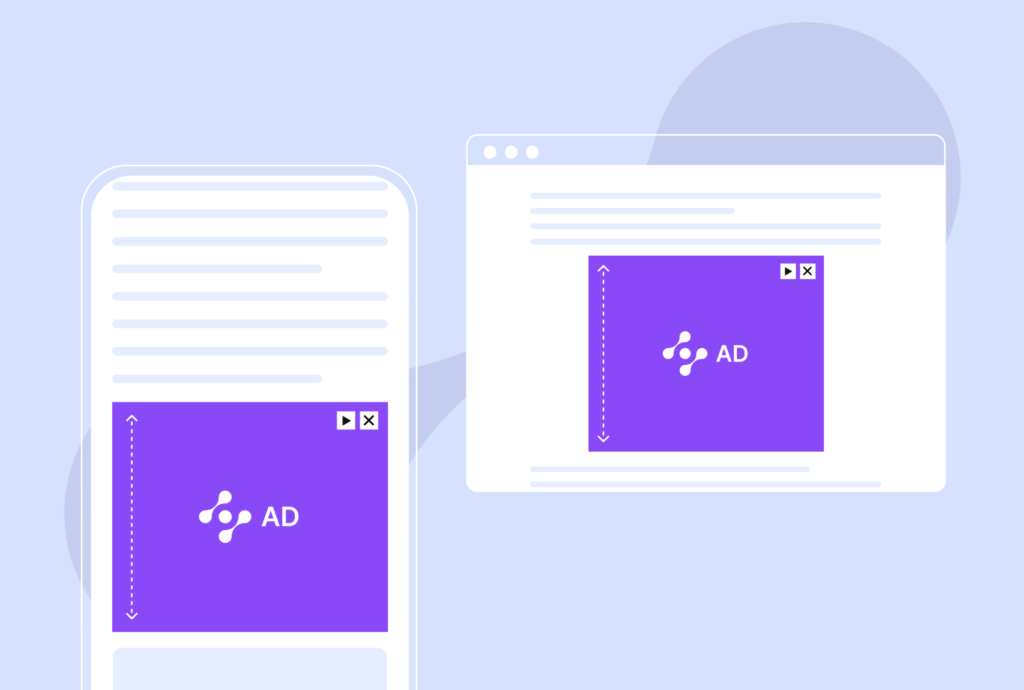
6. Sticky Bottom and Top: Strong Scale, But Not Always Strong Efficiency
Sticky Bottom and Top formats can generate strong impression volume because they remain visible while users scroll. This makes them useful for scale and consistent exposure.
However, high impression volume does not always mean high revenue efficiency. Mobile Sticky Bottom represented 22.92% of impressions but generated 10.12% of revenue, with an index of 0.44.
This does not mean the format should be removed. It means it should be optimized carefully.
Publishers should review size, placement, frequency, device behavior and revenue contribution to ensure the format is not adding visibility without enough value.

7. Context+, Time-Anchored Ads and Dynamic Ad Insertion: Smarter Monetization Without More Pressure
Some ad experiences are valuable because they improve how monetization fits into the user journey.
Context+ appears at the end of articles, where it can extend the session and create additional high-viewability monetization opportunities. When the content is useful and contextually relevant, it can improve the user journey by helping readers continue exploring a topic within the publisher environment.
Time-Anchored Ads help keep ads visible long enough to support viewability goals, even when users scroll quickly.
Dynamic Ad Insertion can help publishers monetize long-form content more intelligently by placing ads based on content structure and user behavior. When well configured, it supports scalable monetization without unnecessary density.
These experiences are especially useful when publishers want to improve performance without manually adding more placements. They support smarter ad revenue optimization by adapting monetization to context, demand and user experience.
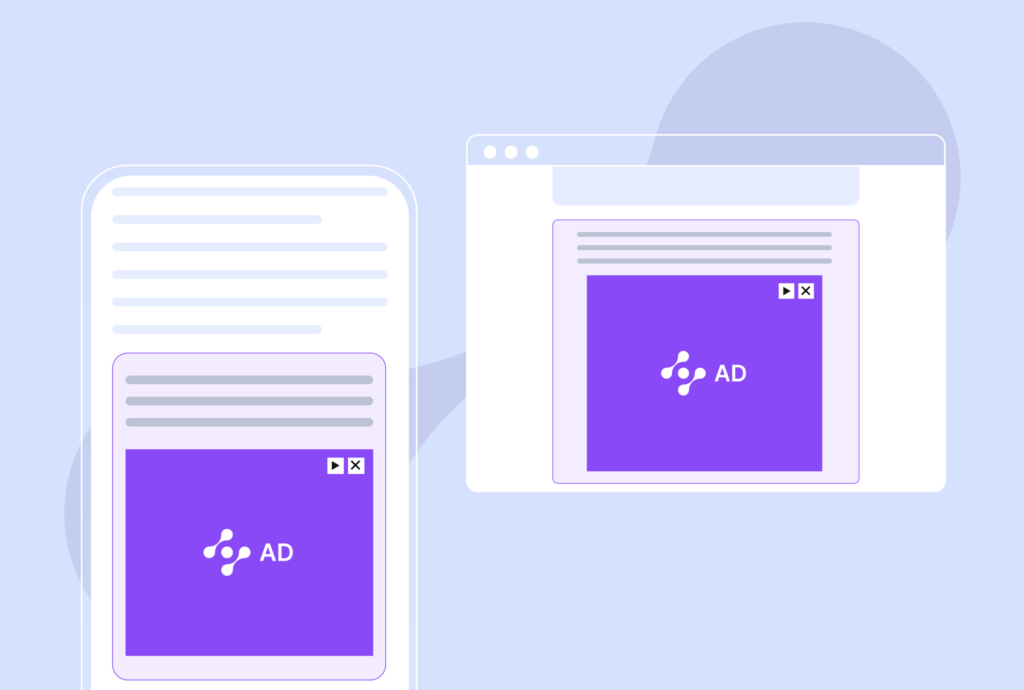
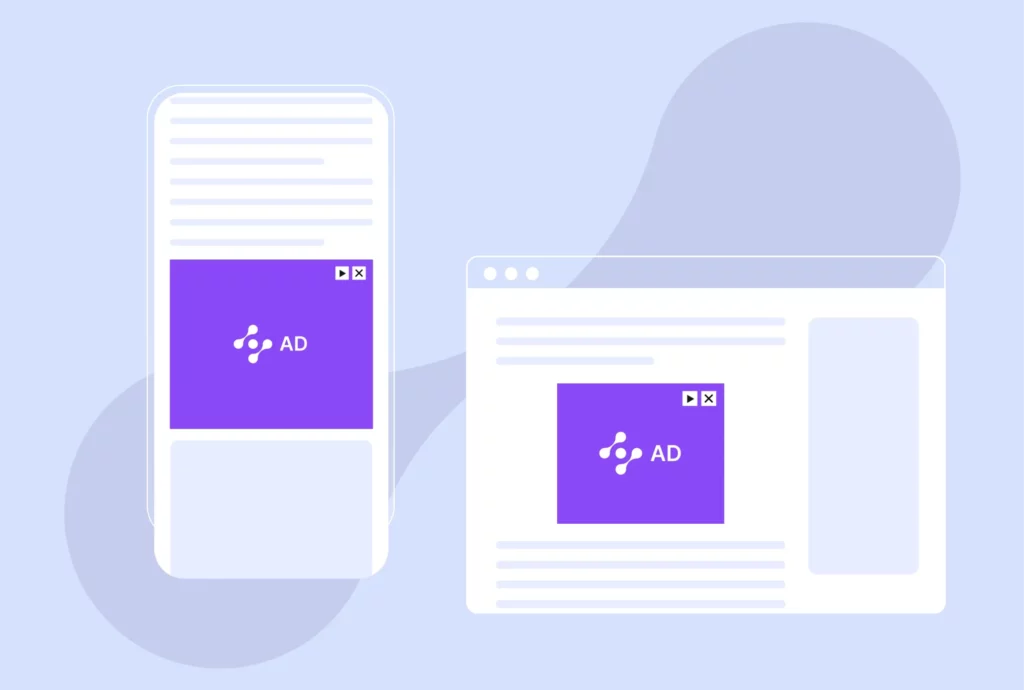

8. Multi Ad Behavior: Optimizing the Configuration Behind the Format
Multi Ad Behavior can improve yield by dynamically selecting the most valuable configuration for a placement based on real-time demand.
Its performance depends on the layout and placement where the behavior is applied. The advantage is flexibility: instead of treating every placement the same way, publishers can adapt the experience according to demand signals and available configurations.
This can support better programmatic yield, but publishers should monitor layout quality carefully. The objective is to improve revenue efficiency, not create clutter or instability on the page.

9. Video Ads and Skin Takeover: Premium Impact With Strong Controls
Video Ads and Skin Takeovers can create strong advertiser value, but they require careful implementation.
Video can command premium CPMs when the player quality, placement, load speed and content environment are strong. Poorly implemented video, however, can slow the page, interrupt content consumption or create user frustration.
Skin Takeover creates a dominant branded presence, especially on desktop. It is best suited to premium direct campaigns, sponsorships and high-impact brand activations. The format can create a strong brand moment, but only when creative execution is controlled and aligned with the publisher’s environment.
These formats are premium experiences that should be activated selectively, especially when the campaign objective is visibility, storytelling or brand impact.
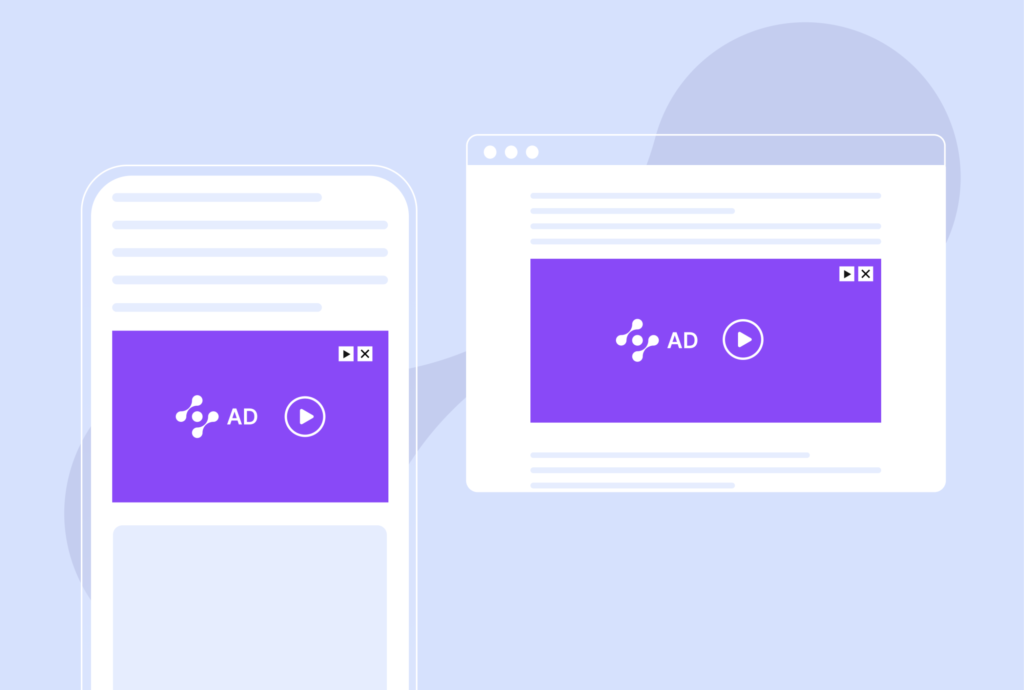
10. In-Image Ads: Incremental Value From Visual Attention
In-Image Ads can help publishers monetize areas where user attention is already strong, especially on visual content.
This format can unlock incremental revenue from visual assets, but it should be measured as an additional monetization layer rather than a primary RPM driver.
The main point of control is brand suitability. Because the ad appears close to or within visual content, publishers need rules to avoid sensitive, low-quality or inappropriate image contexts.
When implemented carefully, In-Image Ads can support brand-safe inventory monetization while creating additional value from existing content assets.

Conclusion
In 2026, smarter ad experience strategy means looking at the full picture: ad viewability, revenue potential, UX impact and brand risk.
The strongest formats are the ones that create meaningful revenue contribution while protecting user experience and advertiser perception.
By combining high-impact ad formats, continuous testing, performance analysis and clear UX controls, publishers can grow RPM without simply adding more ads.
This is how they build stronger, more controlled and more sustainable publisher monetization strategies.
FAQ
The best ad experiences for publishers are the formats that combine strong visibility, revenue efficiency and controlled UX impact.
Publishers should evaluate formats beyond impressions because impression volume does not always reflect revenue value. A format can generate many impressions but contribute less revenue than expected, while another can represent a smaller share of impressions and deliver stronger ad revenue optimization.
Publishers can improve revenue without adding more ads by optimizing placement quality, improving ad viewability, testing high-impact ad formats, using better demand strategies and analyzing which formats generate the strongest revenue contribution compared with their impression share.